Rust anti raid sky settlement builds a base raiders struggle to reach and a solo wipe plan that holds up
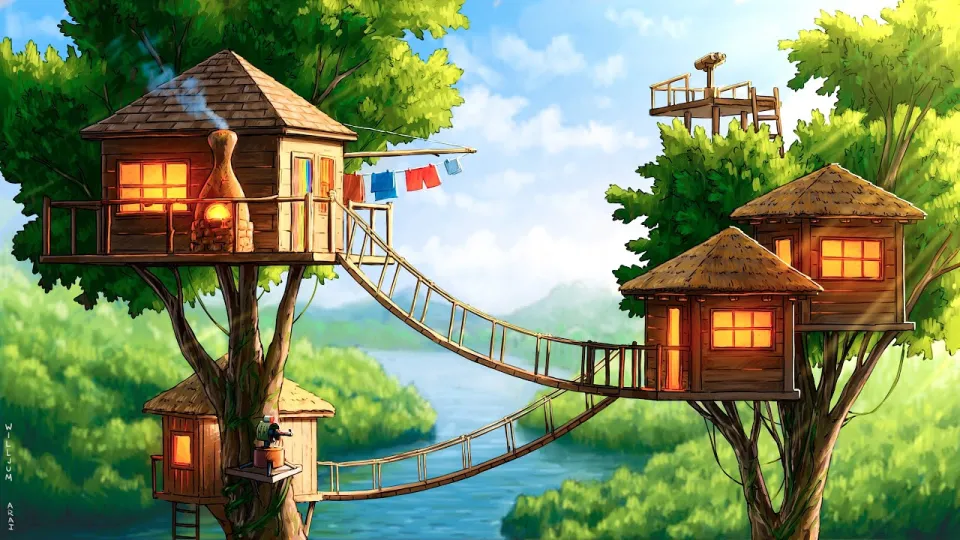
Video: I Built an anti raid sky settlement in Rust...
Need articles like this for your video? They help promote it on YouTube and Google — order them in the Telegram bot @sat_sit_bot. It writes articles around your video, embeds the video and publishes them on popular niche websites (no ads). Your first 50 articles are free.
· based on the channel Willjum
A Rust anti raid sky settlement is a base built vertically — a tower or cliff stack that puts the loot far above the entrance — so raiders have to burn extra rockets, C4 and time just to reach the rooms that matter. The idea is simple: raiders pay by the wall, so every extra floor between the door and the loot box is profit for the defender. Willjum's build video walks through exactly that logic, and his Patreon page is where the longer-form survival content and behind-the-scenes support live.
Why a sky settlement changes the raid math in Rust
Raiding in Rust is a cost calculation, and height is one of the few defenses that raises the price without requiring you to sit online. A ground-level base gives a raider a straight line: blow the door, walk in, take the boxes. A sky settlement breaks that line into stages — approach, climb, breach, and then hunt for the actual loot room — and each stage costs explosives that the attacker has to farm, craft or buy first.
The second advantage is visibility. From height you see groups rotating toward your grid, cars on the road and players farming nodes below long before they see you. On a solo wipe that information is worth more than any wall, because it lets you decide whether to fight, hide or move loot.
The build order that keeps a sky base cheap
A sky settlement only works if you can afford the upkeep, so the smart order is to build the skeleton first and the loot second. Work through it in this sequence:
- Pick the footprint. A 2x2 or 2x1 core keeps the foundation count low; every extra square multiplies upkeep for the rest of the wipe.
- Place the tool cupboard and confirm the build privilege radius before you invest in height.
- Stack the tower in short hops — two or three floors, then a ceiling, then the next section — so a partial raid never exposes the whole structure.
- Put the entrance at ground level with a cheap airlock, and the real storage three or more floors up with no direct stair path.
- Add sheet metal or armored doors on the loot floors and keep wooden or stone doors on the decoy route.
A raid on the front door should lead into empty rooms, a few low-value boxes and a dead end. The attacker's rockets are already spent by the time they realize the loot is above them.
Upkeep, stability and the real cost of building high
Upkeep is the tax on every structure piece you own, and tall builds are expensive because they are piece-heavy: foundations, walls, floors and ceilings all count. A sky settlement that looks cheap to build can quietly drain a solo player's stone, metal and high-quality metal every single day, which is how good bases get abandoned.
Stability matters too. Stacking high requires proper support from the ground up, and a damaged lower section can bring down everything above it. The practical rule is to keep the tower narrow, use the strongest tier you can afford on the load-bearing path, and never store your best loot on the top floor — the top is the most visible and the most likely to be hit first by a raider who simply rockets the roof.
Solo survival habits that make the sky base pay off
A sky settlement is only half the plan; the other half is how you play around it on a solo wipe. The habits that matter most:
- Choose a low-traffic location. A quiet coast, a forest edge or a cliff away from monuments gets raided far less than a spawn-adjacent grid.
- Keep the base small enough to maintain alone and expand only when your resource income supports it.
- Split loot across two or three stashes and small boxes so a single breach never ends the wipe.
- Move high-value items out after every fight instead of letting them sit in the same room overnight.
- Use the height for scouting: log in, check the horizon, then decide whether to farm, trade or fight.
Willjum's solo survival content leans on exactly this rhythm — quiet starts, careful farming, and bases designed to waste a raider's explosives rather than win a fair fight.
Questions viewers keep asking about sky bases
The most common doubt is whether a sky base is worth it at all for a player who has never built one. The honest answer is that it is a trade: you spend more time farming upkeep and more resources on the tower, and in return you get a base that most raiders skip because the payout is uncertain. On a busy vanilla server, being skipped is often the best outcome available.
The second recurring question is about offline raids. Height does not make a base unraidable — nothing does — but it does mean an offline raider has to commit more explosives and more time, which raises the chance they give up or get countered by another group. Pair the tower with a decoy loot room near the entrance and the deterrent gets stronger.
A third theme in the community is that many people follow Rust content without playing the game at all, drawn in by the storytelling rather than the mechanics. That audience still gets value from a build breakdown, because the reasoning — cost, risk, timing — translates to any survival game with base building.
Useful links
- Willjum on Patreon — support the channel and get access to extra content.
- Willjum on Twitch — live survival streams.
- Willjum on Twitter — updates and announcements.
- Creative Commons Attribution 4.0 — the license covering music used in the videos.
Final thoughts on building high in Rust
A sky settlement is not a magic shield; it is a way of charging raiders more for every meter they climb. The players who get the most out of it keep the footprint small, treat upkeep as a fixed cost of the wipe, and never keep everything in one room. Willjum's anti raid sky settlement video is a good template for that mindset, and the channel's weekly solo stories are the reason so many viewers who have never launched Rust still tune in. If the build style fits how you play, the Patreon link above is the direct way to back more of it.
Key takeaways
- A sky settlement in Rust is a base stacked high above the ground on a tower or cliff so raiders must spend extra boom just to reach the loot.
- Vertical separation splits storage from the entrance, so a raid on the front door usually misses the real loot rooms.
- Upkeep scales with every foundation, wall and ceiling placed — a tall build drains a solo player's resources faster than a bunker.
- Willjum's sky settlement video landed on 10 October 2026 alongside his 2 million subscriber milestone.
- Solo survival on vanilla servers means choosing a low-traffic spot, keeping the base small and moving loot after every fight.
Source: I Built an anti raid sky settlement in Rust... · Markdown version
Questions & answers
Is a sky base in Rust actually harder to raid than a bunker?
It depends on the raider's budget. A sky base forces extra vertical travel and more explosives to reach the loot, while a bunker relies on hidden rooms and tight door paths. Against a small solo raider the height often wins because it makes the payout uncertain; against a large group with plenty of rockets, neither design holds forever.
How much upkeep does a tall base cost a solo player?
Upkeep scales with every foundation, wall, floor and ceiling you place, so a narrow two- or three-floor tower is manageable while a wide multi-story compound is not for one player. Keep the footprint small, use the cheapest tier that still stops common raids, and check the tool cupboard cost before expanding.
Where should the loot go in a sky settlement?
Split it. Keep a decoy room near the entrance with low-value items, put the main storage several floors up with no direct stair path, and stash the most valuable items in a separate small box elsewhere. A single breach should never end your wipe.
Do you need to play Rust to enjoy these build videos?
No. A large share of the audience watches for the storytelling, the pacing and the survival decisions rather than the mechanics. The build breakdowns still make sense because cost, risk and timing apply to any base-building game.